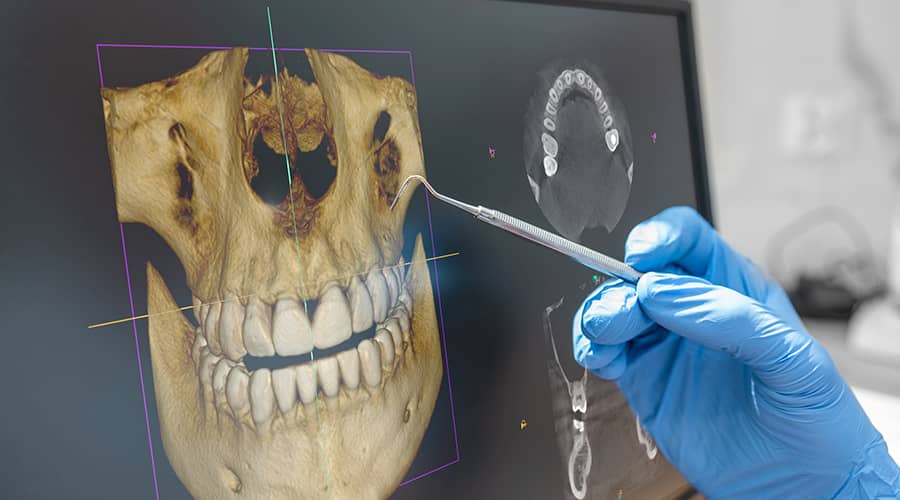
1. Diagnosis & Planning
We evaluate your tooth, review symptoms and use 3D CBCT imaging to see hidden canals or anatomy that caused the initial treatment to fail.
Save your natural tooth with precise, comfortable care.
Save your natural tooth and relieve pain—comfortably and precisely
We evaluate your tooth, review symptoms and use 3D CBCT imaging to see hidden canals or anatomy that caused the initial treatment to fail.
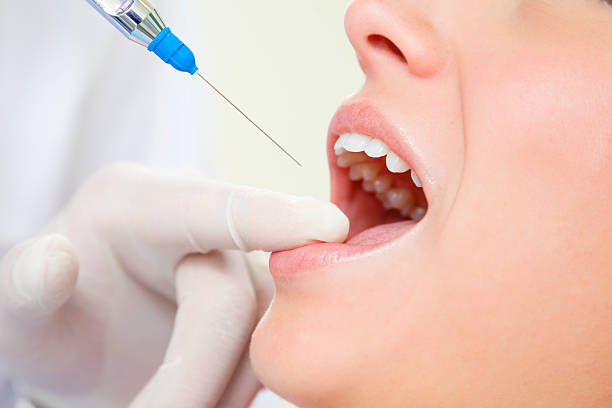
The tooth is fully numbed and isolated for a clean, gentle environment.
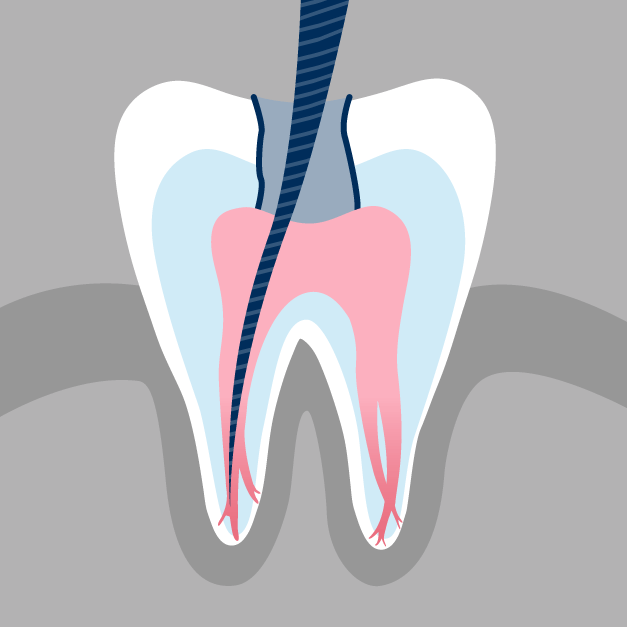
The old filling materials are removed, the canals are inspected for missed anatomy, and the spaces are thoroughly disinfected. We may use the GentleWave® System for a deeper, more complete clean.
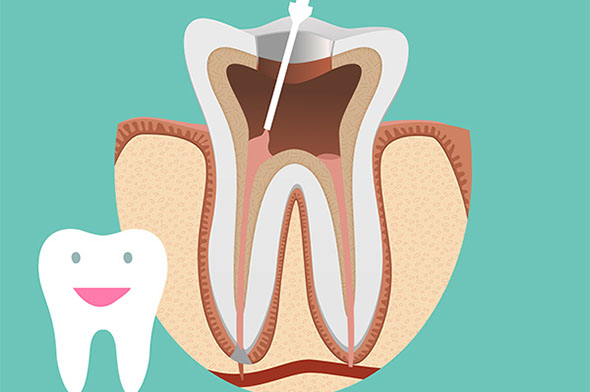
The canals are refilled with a biocompatible material, and a new temporary filling is placed. Your general dentist will typically restore the tooth with a crown afterward.
Root canal retreatment provides a second chance to save a natural tooth. When previous treatment doesn’t fully resolve the infection, we reopen the tooth, remove old filling material, and use advanced tools like CBCT imaging and GentleWave® to clean deeply and seal effectively. This helps preserve your tooth and restore its function.
Like your first root canal, we use full local anesthesia. The procedure itself is comfortable; you may feel some soreness for a few days.
Most cases are completed in about one to two hours.
Sometimes a canal is missed, infection recurs, or new decay exposes the root again. Retreatment gives the tooth another chance.
We remove the old filling materials and search for missed canals or hidden anatomy. Advanced imaging (CBCT) and GentleWave® help us clean more completely than older methods.
We try our best to keep the original crown intact. Depending on the state of the crown once retreatment is complete, your general dentist may decide to place a new crown to restore strength and seal the tooth.
Keeping your natural tooth is almost always the best option. Retreatment preserves your bite and prevents shifting of nearby teeth. Extraction is only considered if retreatment or surgery are not possible.
Call our office or send a request and we will get you in as soon as we can.